Cyclotricity
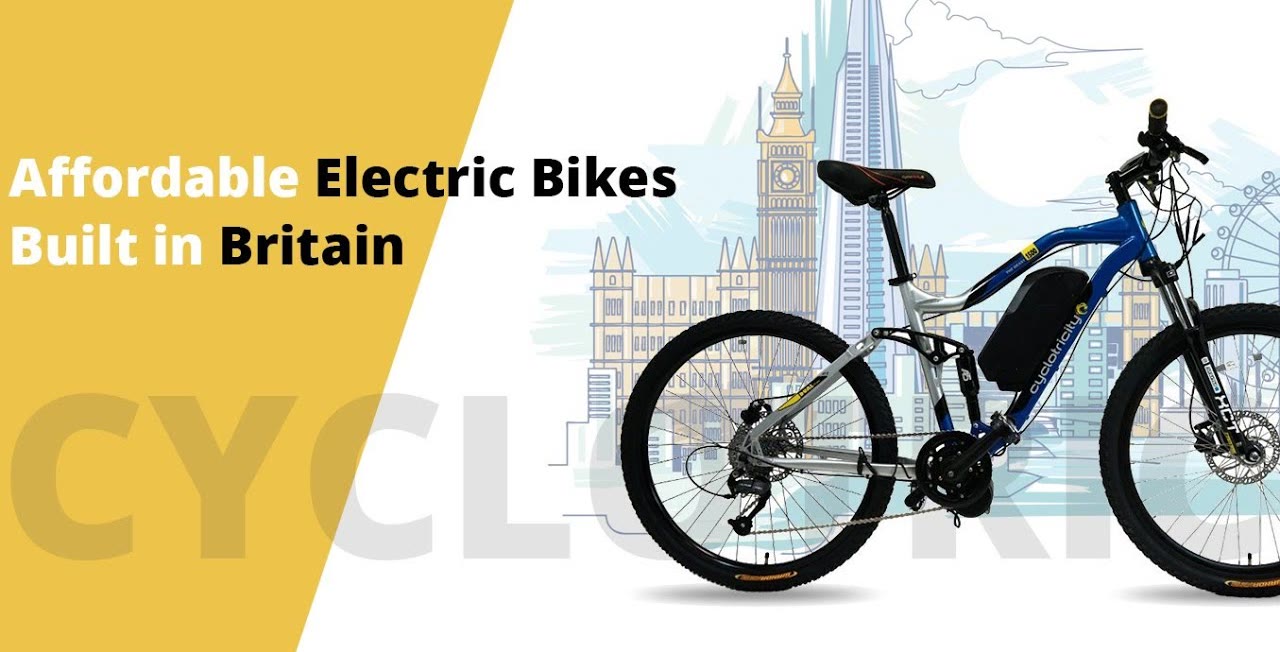
The e-bike company I invented, built and ran for twelve years, from a prototype to the UK's first e-bike factory.
- $1.5M
- annual revenue, bootstrapped with no outside equity
- First
- e-bike factory in the UK, built by us
- 12 people
- and two patents, from one prototype
- My role
- Founder and CEO. Invented, prototyped and launched all products. Ran every part of the company.
- Years
- Founded in 2011, when I was 24 and living in the UK. I ran it for twelve years before moving to the US.
- Factory
- Built our own small factory, moving to bigger premises as we grew
- Funding
- Bootstrapped. Bank loans paid for stock; no equity investors.
- Today
- I'm based in the US. Ebike Factory Ltd took over the business in 2024, and I kept a share.
An inventor's first launch
I've been an inventor since I was a child, so at 24, living in the UK at the time, I built my own electric bike. At that time, most people didn't know what an e-bike was. The ones that existed ran on lead-acid batteries, which made them bulky, heavy things that looked more like mopeds than bicycles.
Lithium batteries were just becoming available. They're far smaller and hold far more energy, so I built around one. The result looked like an ordinary bicycle: light, streamlined, good-looking, and with a boost of power that made riding it thrilling. I ordered parts from factories, assembled the prototype, and took it to bike shops near where I lived. They told me that if I could produce it, they would order it.
From one prototype to a factory
- Age 24I built the prototype and showed it to local bike shops, who wanted to stock it.
- NextI flew to China, set up an assembly line with a manufacturer and ran our first production batch.
- Run 1The first shipment sold out within two months. That's when I committed to the business.Sold out
- Year 3I moved manufacturing out of China and into a small factory of our own, the first e-bike factory in the UK.
- Later"Made in Britain" became our brand. Weekly sales rose from about 20 bikes to 100, and we moved to bigger premises.20 → 100 a week
- 2024After I moved to the US, a closely related company took over the business. I kept a share.
Building in Britain for less
Three years in, I made the boldest call of the business: move manufacturing out of China and into a small factory of our own.
Everyone assumes building in Europe costs more than importing from China, and for most products it does. We challenged that. Our thesis was that building locally is cheaper when a product meets three conditions, and our e-bikes met all three.
It needs extensive quality control
An e-bike has to be checked thoroughly. Checking every bike where it's built costs far less than finding problems after it has crossed the world.
Most of its cost is parts, not labour
The parts are the bulk of an e-bike's cost, and they cost the same wherever the bike is assembled. Labour is the only line that gets more expensive, and it's the small one.
It's bulky
An assembled bike ships mostly air. The bulkier the product, the more you save by shipping parts and assembling them yourself.
Then design the labour out
We designed our components to plug together, so each bike took less time to assemble and local labour cost less per bike.
It proved right in practice. We built e-bikes locally at price points most of the industry thought impossible, and that became our biggest competitive edge. The first e-bike factory in the UK also made national news, including The Telegraph, and "Made in Britain" became the brand.
The five-month bet
The hardest problem wasn't the bikes. It was cash. A full bill of materials for an e-bike took five months to arrive, so every order was a bet on what we would sell five months later. Bikes are seasonal, and a young, growing company has no steady baseline to forecast from.
Order too little, and we missed the spring rush with nothing to sell. Order too much, and our cash sat in the warehouse as parts. I lived through both, and more than once took a loan to plug the gap.
Forecast from the same month last year
Using last year's sales for the month the parts would land builds the season into every order, without pretending I could predict demand from scratch.
Trade-off It needs a year of history, and a bad season repeats itself.
Add 30% for growth
We were growing every year. A fixed 30% buffer kept us stocked for the rise while keeping the overstock bounded and predictable.
Trade-off Some surplus stock, and the cash tied up in it.
Accept what can't be solved
The rule didn't remove the risk; seasonality and growth made demand genuinely hard to call. It kept each wrong guess small enough for the business to survive.
Other calls I made
Debt, never equity
I kept the company fully owned. Bank loans paid for inventory, and the business paid for everything else.
Trade-off Slower growth, and the loans were my risk.
Step back when the company needs someone present
When I moved to the US, where I'm based today, I put a management team in place, but the business still needed its owner on site. That's when Ebike Factory Ltd agreed to take over the operation, and I keep a share.
Trade-off I gave up running the company I built.
Every hat, for twelve years
Running a manufacturer on my own money meant learning every discipline it needed: product development, testing, production, supply chain, sales, marketing, hiring, accounting, finance, and some of the law. I wouldn't call myself a salesperson or an accountant, but I got good at both because I had to.
That's why I'm useful on AI work today, from the US. I've lived supply-chain, inventory and cash-flow problems for over a decade, so I can spot where AI will actually help an operation, and where it won't.
Numbers
- $1.5M
- Annual revenue, bootstrappedNo outside investment
- First
- E-bike factory in the UKYear 3
- 20 → 100
- Bikes sold a weekAfter the factory move
- 12 people
- On the team, with two patentsAt peak
- 2 months
- To sell out the first shipmentFirst shipment